
Blog · Inbound inquiries
Online booking for a financial advisor: what it changes, and what it doesn't do.
Offering a slot within a minute saves the investor from waiting for a reply. But a calendar open to everyone also fills the week with meetings that aren't worth a partner's time.
By Théo Riondet, founder of WebScale · November 16, 2026 · 5 min read
In short
Online booking for a financial advisor ends the email back-and-forth and offers a slot while the investor is still on the website. As of November 3, 2026, 60% of the 1,161 websites measured on this criterion by the WebScale Barometer don't offer it. It replaces neither qualification, nor the reminder before the meeting, nor the follow-up: without them, the calendar fills up, but not with real cases.
01
Online booking ends the wait.
Online booking is a calendar connected to the website: the visitor picks a free slot in the advisor's calendar, with no exchange of emails. Its effect is mechanical: the moment the investor decides to talk to a firm and the moment the meeting is set are no longer a day or two apart.
Without a calendar, the path looks like this:
- 01
Day 0, 9 PM
the investor writes through the form; the inquiry waits in the contact@ inbox.
- 02
Day 1, 10 AM
the firm replies and offers two dates.
- 03
Day 1, 5 PM
the investor, in a meeting, doesn't reply.
- 04
Day 2, 9 AM
the investor replies, but one of the dates is taken. The meeting is set for the following week.
With a calendar, the same person books that same evening, while the website is still in front of them. It is the same principle as the instant reply: an investor's intent doesn't last, and every extra exchange is a chance to forget or to look elsewhere.
02
What the WebScale Barometer measures.
The WebScale Private Wealth Barometer checks whether the website offers an online booking tool, seen from the outside the way a visitor would see it. The criterion carries 4 points out of 106 in the 2026-V1.1 methodology, published on October 19, 2026 and detailed on the methodology page. As of November 3, 2026, across 2,200 websites measured, 1,858 of them fully:
| What's missing at the moment of the inquiry | Share of websites | Websites measured on this criterion |
|---|---|---|
| An instant reply channel (chat, messaging) | 95% | 1,856 |
| A form connected to a tracking tool | 88% | 1,338 |
| Online meeting booking | 60% | 1,161 |
The booking criterion only applies to certain types of firms, which is why fewer websites are counted than in the total. The calendar is the least often missing of the three criteria, but 6 firms out of 10 still don't offer one, and a calendar alone solves neither qualification nor follow-up.
03
What an open calendar doesn't do.
A calendar answers the question “when?” It answers none of these three others:
- Who? A calendar open to everyone accepts the same slot for an investor who has sold their business and for someone looking for general information. The partner's time isn't worth the same in both cases.
- What for? Without two or three questions, the advisor discovers the subject during the meeting. They can neither prepare for it nor hand it to the right colleague.
- And then? A booking is not an attendance. Without a reminder, some meetings are missed, and nothing catches the person who didn't show up.
The trap is measuring the calendar's success by the number of meetings booked. What counts is the number of meetings held with a person who fits what the firm knows how to serve.
04
Qualify before the calendar, in order.
Qualifying means asking a few questions before offering a slot, to decide what happens next: a meeting with a partner, a meeting with an advisor, useful content or a referral to a peer. The principle is to show the calendar after the questions, not before.
| Step | What the investor sees | What the firm gets |
|---|---|---|
| 1. Three questions | project, time horizon, rough size of the assets involved | enough to sort and prepare |
| 2. The right calendar | the partner's slots, an advisor's, or no slot | everyone's time kept for the right case |
| 3. The confirmation | an immediate message with the date and what to prepare | a prepared meeting |
| 4. The reminder | a message the day before, with a way to reschedule | fewer no-shows, freed-up slots |
| 5. The no-show | a follow-up the same day, with a new slot | an inquiry that doesn't get lost |
Each step only takes a rule written once. The questions must stay short: the GDPR requires collecting only data that is “adequate, relevant and limited to what is necessary in relation to the purposes for which they are processed” (Article 5(1)(c), cited by the CNIL, the French data protection authority). Asking for the exact amount of someone's assets before a first exchange is excessive; a range is enough to sort. The wording of the questions and the automated messages should be approved by the compliance officer: they acknowledge receipt and offer a meeting; they mention no product and no returns.
05
What to set up on Monday.
If your website has no calendar, don't start with it. In order:
- Connect the form to a tracking tool, so every inquiry has a record, a date and an owner. The guide CRM for financial advisors compares the types of tools.
- Write the three qualifying questions and the rule that routes each answer.
- Connect the calendar after the questions, with a short slot for the first exchange.
- Schedule the confirmation, the day-before reminder and the no-show follow-up.
- Count every Monday: inquiries received, meetings booked, meetings held, cases opened.
This logic ties in with the guide the competitive edge of a private wealth firm: the product looks much the same from one firm to the next; the lead is won before the first meeting. You can see where your website stands on this criterion and the others with your Zero Leak Score, free and with no call needed. To put a number, using your own data, on what missed meetings cost, the Dormant Revenue Diagnostic takes 30 minutes; it is reserved for firms with over €50M in AUM or €500K in annual revenue.
This is what WebScale sets up with Zero Leak: form, qualification, calendar, reminders and follow-ups are built together.
06
Frequently asked questions.
Should I open my calendar to every visitor?
No, not without a filter. An open calendar is useful for a short first exchange with an advisor. A partner's slots are booked after a few questions, so their time goes to the cases that fit what the firm knows how to serve.
Which online booking tool should I choose?
The choice of tool matters less than what surrounds it. Check that it connects to your tracking tool, that it sends a confirmation and a reminder, and that it records where the inquiry came from. A standalone calendar creates a second place where inquiries get lost.
Does online booking replace the contact form?
No. Some investors prefer to write before committing to a date. The two work together: the form for those who want to ask a question, the calendar for those who want a slot, and both connected to the same tracking tool.
How do I reduce missed meetings?
Confirm right away, send a reminder the day before with a one-click way to reschedule, and follow up the same day after a no-show with a new slot. These are three messages written only once, to be approved by your compliance officer.
Sources
- 1.WebScale Private Wealth Barometer, 2026-V1.1 methodology, figures as of November 3, 2026; detailed criteria on the methodology page.
- 2.CNIL, General Data Protection Regulation, Chapter II: principles, Article 5(1)(c).
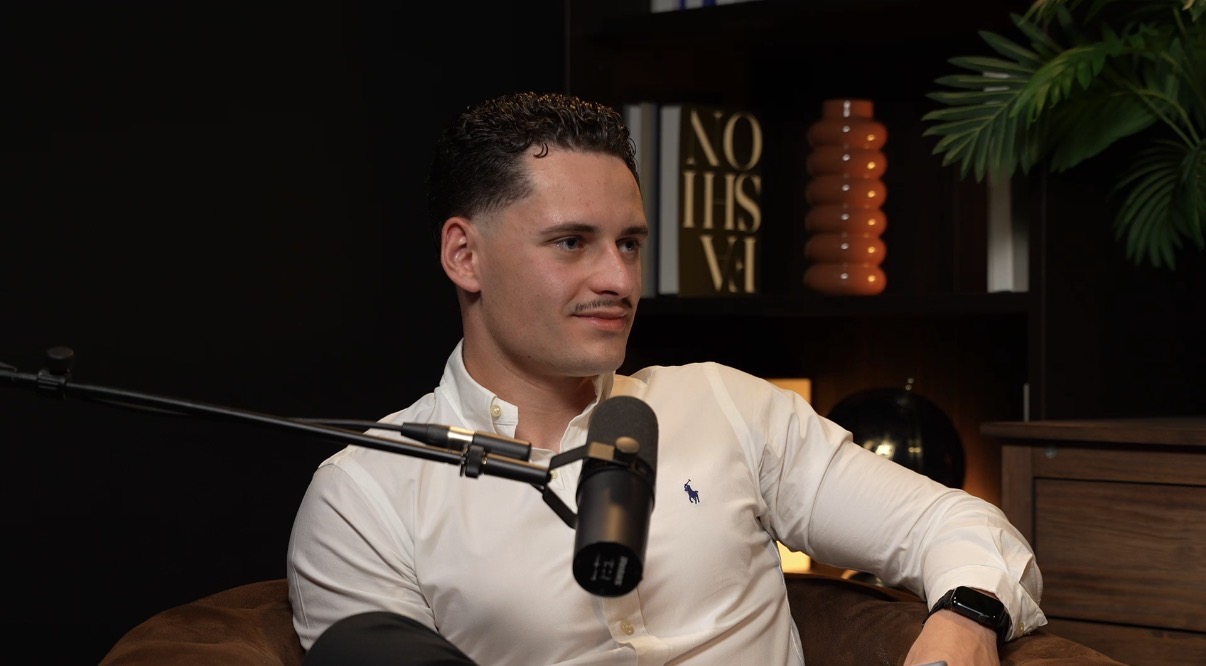
Théo Riondet is the founder of WebScale, a digital architecture firm for private wealth, and the author of the WebScale Barometer. He hosts the Capital Privé podcast. Learn more
The guide on this topic
To never lose another inquiry: the Zero Leak offer, your firm's website, CRM and follow-ups, live in 30 days.
Keep reading
All articles →How many inquiries
are you losing?
Your Zero Leak Score: your website scored out of 100 against over 800 peers, plus the 3 leaks to fix first. Free. No call needed.